
Robohub.org
Foxconn shopping for robot manufacturer to keep pace with brisk Pepper sales
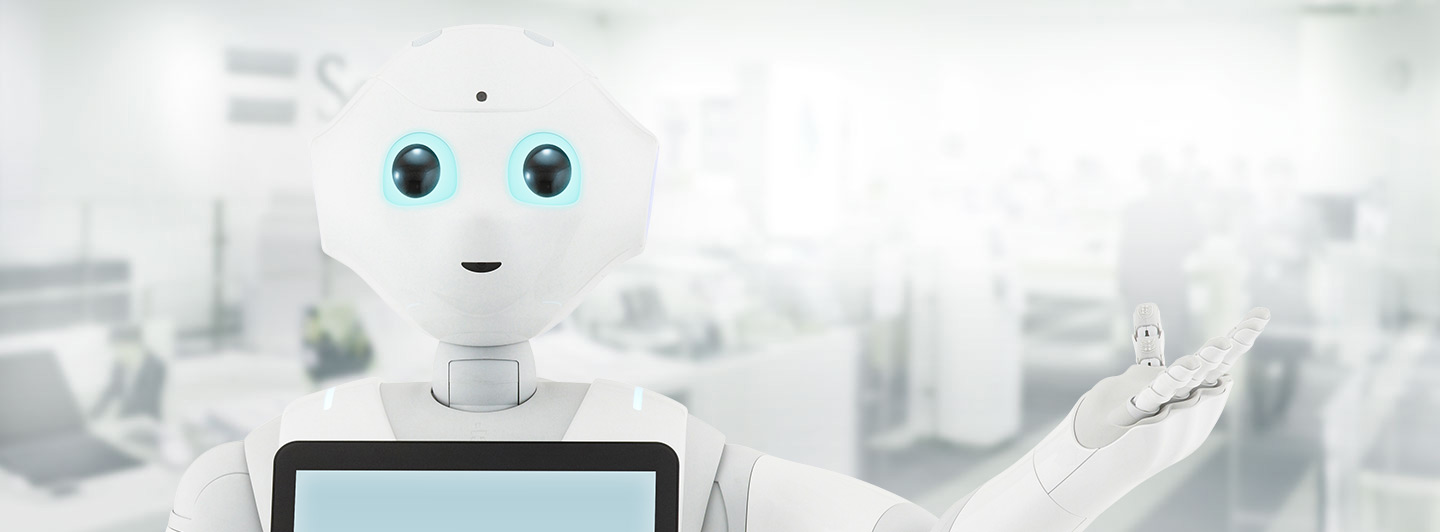
In an article about the pace of sales for the SoftBank Pepper robot, the China Post reported that Taiwan-based Hon Hai Precision (AKA Foxconn) has sent a team of 30 to survey the US market for future acquisitions of robot production firms.
On December 27th in Japan, another 1,000 of the $1,600 Pepper robots were sold online in just one minute — this makes 7,000 sales in the past 7 months. The next sale date is January 28th. Foxconn is currently producing 10 Pepper robots per hour at factories in Yantai (Shandong Province, China) and is working to improve efficiency and raise production to 15 per hour.
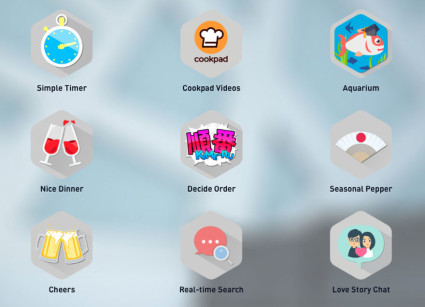
The Pepper app store for add-on applications offers a range of more than 200 free and paid apps. These apps range from quiz games, English picture books, hairstyle and clothing chat games, timers, dance instruction, lie detection, brain games, exercise trainers, animal sounds, food apps like beef bowl and noodle shop locators, piano playing, baseball talking, English for kids and many more.
Pepper, created initially by France-based Aldebaran to act as a “social companion for humans,” is advertised by SoftBank as not only being able to read human emotions, but also to respond to emotional cues such as laughing or frowning.
Softbank recently upgraded Pepper to be able to memorize and store data on human responses by using cloud-based artificial intelligence applications developed by the company’s subsidiary, Cocoro SB.
The newsworthy part of The China Post story was Hon Hai Precision’s 30-person US delegation to explore purchasing companies that can help Foxconn increase its production of this very complex robot. Once sales expand from Japan to China (and then the rest of the world), production will need to keep pace; hence the concern and exploratory shopping trip. The joint venture between Alibaba, Foxconn and SoftBank has provided hundreds of millions of dollars for production ramp-up costs, which are likely to include money for capital expenditures such as robots and other automation devices, as well as for acquisitions of companies that make those devices.
If you liked this article, you may also be interested in:
- Foxconn and Alibaba invest in SoftBank Robotics as Pepper goes on sale in Japan
- 2016 will be a pivotal year for social robots
- Nestlé 1st big buyer of Softbank’s Pepper robot
- SoftBank invests in Fetch Robotics
- Japanese telcos vie for share in consumer robot-as-a-service business
See all the latest robotics news on Robohub, or sign up for our weekly newsletter.
tags: Aldebaran, Alibaba, business, FOXCONN, household, Pepper, SoftBank

AUAI is supported by:









